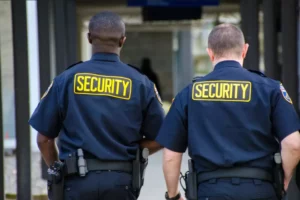
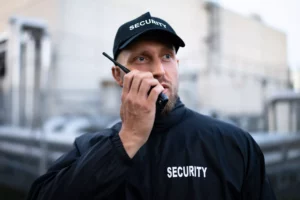
Texas has some of the most structured and professional private security regulations in the country. Whether you’re considering a new career path or expanding your skills in law enforcement or personal protection, working as a licensed security guard in Texas is a great way to enter a growing industry. But before you can get started, you’ll need to understand the licensing requirements, training options, and costs involved.
Here’s everything you need to know about how to become a licensed security guard in Texas, including license types, eligibility, disqualifications, and step-by-step application procedures.
Do I Need a License to Work as a Security Guard in Texas?
Yes. In Texas, you must have a valid license to work as a security guard, whether you’re unarmed or armed. The Texas Department of Public Safety (DPS), through its Private Security Program (PSP), regulates all security personnel statewide.
If you’re hired by a licensed security company, you cannot begin work until your license is active—even for unarmed positions. Working without a valid license can lead to fines, denial of future licensure, or criminal charges.
Whether you’re planning to work unarmed at a shopping center or as a commissioned officer at a high-security facility, you are legally required to be registered, trained, and licensed under Texas law.
What Are the Levels of Security Licenses in Texas?
Texas has a tiered system for private security licenses. Each level represents a different role, responsibility, and training requirement:
Level 2 – Non-Commissioned Security Officer
This is the entry-level license for unarmed guards. You’ll typically be stationed at access control points, buildings, or event venues. Level 2 officers cannot carry weapons but must still complete a basic training course and undergo a background check.
Level 3 – Commissioned Security Officer
This license is for armed security guards who carry firearms, batons, or pepper spray while on duty. It requires extensive training in use of force, handgun proficiency, and state law. You must qualify at a certified training facility and meet strict DPS standards.
Level 4 – Personal Protection Officer (PPO)
This is the highest license level and is reserved for individuals providing close personal protection (bodyguards). PPOs must already hold a Level 3 license and complete additional training that includes advanced de-escalation, tactical awareness, and legal responsibilities for one-on-one protection.
At Bronze Star Academy, we offer PSP-approved training for all three levels, plus specialized courses in pepper spray, baton, and instructor-level certifications.
How Much Does It Cost to Get a Texas Security License?
The cost of becoming a licensed security guard in Texas can vary depending on the level of certification you’re pursuing. Below is a general breakdown of the typical expenses:
- Level 2 Training Course: $40–$80
- Level 3 Training Course: $250–$400
- Level 4 PPO Training: $300–$500
- DPS Registration Fee (All Levels): ~$40–$55
- Fingerprinting Fee: ~$45
- Passport-Style Photo: ~$10–$20
- Firearms Qualification (for Level 3 and 4): Included or additional, depending on the training provider
Total Estimated Costs:
- Level 2 License: $125–$175
- Level 3 License: $350–$550
- Level 4 License: $650–$900 (includes Level 3 prerequisites)
Some employers may cover part of the cost after hiring. Others may require you to come fully licensed. Ask about payment plans or bundled training packages at Bronze Star Academy to reduce upfront costs.
What Disqualifies You From Getting a Security License in Texas?
The Texas Department of Public Safety conducts a criminal background check for all security license applicants. Certain criminal convictions will disqualify you, either permanently or temporarily. These include:
- Felony convictions
- Domestic violence-related offenses
- Crimes involving moral turpitude (theft, fraud, assault, etc.)
- Drug trafficking or serious drug-related charges
- Active probation or parole status
However, not all offenses result in automatic denial. The DPS reviews applications on a case-by-case basis. If you’ve been arrested or convicted in the past, you may still be eligible if:
- The offense occurred more than 10 years ago
- You’ve completed probation or parole
- You can show evidence of rehabilitation
You may also be required to submit additional documentation, including court records or letters of recommendation.
False or incomplete information on your application will likely result in denial or revocation, so it’s always best to be honest and upfront.
Steps to Become a Licensed Security Guard in Texas
- Choose Your License Level
Decide whether you want to work unarmed (Level 2), armed (Level 3), or as a personal protection officer (Level 4). You can upgrade levels later. - Complete the Required Training
Enroll in a certified training course at an approved provider like Bronze Star Academy. Each level has a specific course curriculum and testing requirements. - Submit Your Fingerprints
All applicants must be fingerprinted electronically through DPS-approved vendors. This is used for criminal background checks. - Apply for Registration with DPS
Submit your license application through the TOPS portal (Texas Online Private Security) and pay the applicable fees. - Wait for Approval
Once approved, your license will be mailed or digitally available. You may not begin working until your license is active in the DPS system. - Carry Your Pocket Card on Duty
Your license comes with a pocket card that you must carry at all times while on duty. Failure to do so can result in penalties.
How do I become a licensed security guard in Texas?
To become a licensed security guard in Texas, complete the required training for your desired level (Level 2, 3, or 4), submit fingerprints, and apply through the Texas Department of Public Safety. You must pass a background check and carry your license while on duty.
What are the levels of security licenses in Texas?
Texas offers three levels of security licenses: Level 2 (unarmed), Level 3 (armed), and Level 4 (personal protection officer). Each level has different training and responsibilities.
Do I need a license to work as a security guard in Texas?
Yes. All security guards in Texas must be licensed through the DPS Private Security Program. This includes both armed and unarmed officers.
How much does it cost to get a Texas security license?
Costs range from $125 for a Level 2 license to over $600 for a Level 4 PPO license. Fees include training, fingerprinting, registration, and materials.
What disqualifies you from getting a security license in Texas?
Felony convictions, recent drug offenses, domestic violence, and crimes involving moral turpitude can disqualify you. Each case is reviewed individually.
Start Your Security Career with Bronze Star Academy
At Bronze Star Academy, we’ve helped hundreds of students across Weatherford, Parker County, and North Texas earn their Texas security licenses and begin successful careers in the private security industry.
Our team of NRA-certified and DPS-approved instructors bring decades of field experience into the classroom. We offer flexible class times, affordable pricing, and guidance through the entire licensing process—from training to TOPS application.
If you’re ready to take the first step toward becoming a licensed security guard in Texas, contact Bronze Star Academy today for free course estimates and upcoming class schedules.